
|
Do it yourself
| |||
| ||||


What are the Symptoms of a Blown Head Gasket?
Model: (Various brands) Various
If your car shows a combination of these four signs, it's time to worry: thick white smoke from the exhaust caused by coolant entering the cylinders and being burned along with the fuel. Then, the engine temperature continuously rises: this happens because exhaust gases (which are extremely hot) enter the cooling circuit, causing the coolant to boil; this occurs even if the coolant level remains normal. If you notice that the coolant level mysteriously drops but see no leaks under the car, the reason is that the coolant is being burned in the engine or evaporated due to excessive pressure in the circuit. Then there’s the classic 'mayonnaise' under the oil cap. When you open the cap, you find a dense beige foam like cream: the result of engine oil mixing with water (but this symptom must accompany one of the others). If the engine struggles to start in the morning, there may be coolant pooling in the cylinders, creating abnormal resistance. If you're on the road and see the temperature skyrocketing, turn the heating on full; this will dissipate excess heat through the internal heater circuit, allowing you to reach a garage.
Posted on 19 September 2026 by ScegliAuto
Video tutorial
Related tutorials
(Various brands) Various
In this video, we are presented with the main signs of a blown head gasket; a very serious issue that can irreparably damage our engine if we do not …

(Various brands) Various
This video presents the causes, symptoms, and tests for a blown head gasket. The main causes include engine overheating; low coolant, a stuck thermos…
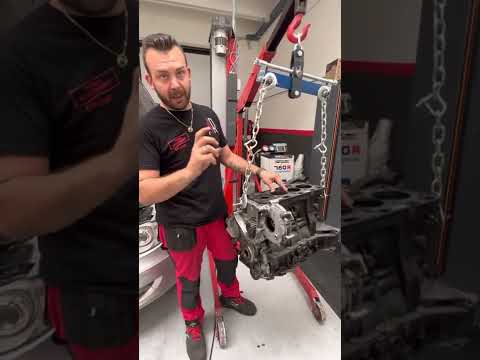
(Various brands) Various
In recent years, head gaskets have become tri-metallic, meaning they are made of three metals, and sit between the engine and the cylinder head. If t…
Other guides you may be interested in
|
How to Reset the Tyre Warning Light on a Toyota Aygo 2022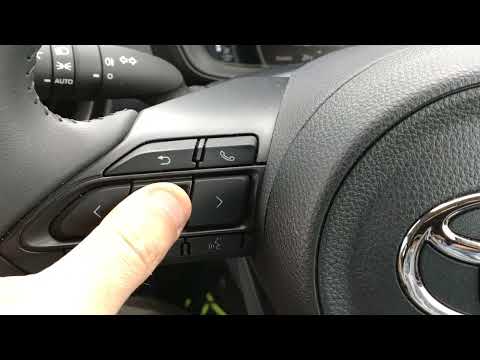
To reset the tyre warning light on your Toyota Aygo Mk2 (2022), follow the steps in this guide. First, get into the driver's seat and turn on the instrument panel. Then, press the menu button located on the left side of the steering wheel. Scroll through the options and select "Vehicle settings". Next, enter "TPWS setting" and press "Set pressure". Finally, confirm the operation, and shortly after, the manual reset procedure will be successfully completed. by ScegliAuto More videos
|
|
For advertising on this site Write to info@scegliauto.com
ScegliAuto is not responsible for any inaccuracy of the data in the lists. To report any inaccuracy or your business (if you own the business in question), please write to info@scegliauto.com
Number of seconds to generate the page: 0.248
(c) ScegliAuto 2026 - info@scegliauto.com - Privacy policy VAT number: IT01247470535 |
