
|
Do it yourself
| |||
| ||||


Causes, Symptoms and Tests for a Blown Head Gasket
Model: (Various brands) Various
Video tutorial
This video presents the causes, symptoms, and tests for a blown head gasket. The main causes include engine overheating; low coolant, a stuck thermostat, and a non-functioning fan. Turbocharging can also be a reason. In PSA vehicles and some diesels, the issue may also be the fragility of the metals: the cylinder head or block can easily deform. Lack of maintenance is another cause (old antifreeze, dirty oil). Typical symptoms include white/blue smoke; yellowish foam emulsion of oil and water; brown sludge in the reservoir or radiator, coolant loss, power loss, bubbles in the radiator, oil-soaked spark plugs, and excessive pressure in the cooling circuit. To determine if it is truly blown, verification tests are needed: connect a pressure gauge to the radiator, and if the pressure drops without external leaks, the gasket or head is cracked. Another test is to run the engine cold with a funnel full of water on the radiator. If you see continuous bubbles rising, it indicates exhaust gases are entering the coolant, meaning the gasket is blown. You can also measure the compression of each cylinder; if there is a significant difference between two adjacent cylinders, the gasket between them is blown.
Posted on 7 June 2026 by ScegliAuto
Related tutorials
(Various brands) Various
This video outlines the main signs of a blown head gasket; a serious issue that can irreparably damage your engine if not addressed immediately. The …

(Various brands) Various
In this video, you can see a simple way to check if the head gasket is blown or not. This may not be the only method, and certainly, there are better…

(Various brands) Various
In this video, you will learn how to identify a classic symptom of a blown cylinder head; open the bonnet and check the radiator water cap. Inside th…
Other guides you may be interested in
|
Frequently Asked QuestionsHow to Activate the Disabled TRC on the Toyota Yaris?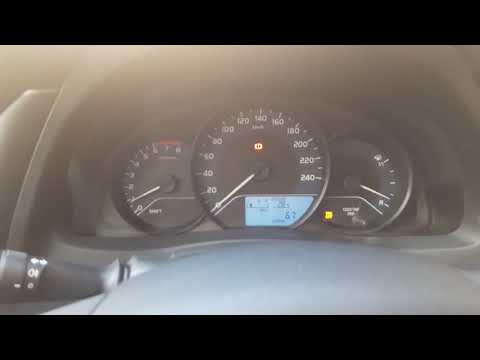
As the video clearly shows, disabling or activating the traction control (TRC or ESP) on the Toyota Yaris is very simple. By default, the traction system activates every time the vehicle is started. To disable it, simply press the button depicting a skidding car located in the centre of the vehicle where the controls are, such as the hazard lights and the radio, but near the handbrake. Once disabled, the TRC off light will illuminate on the dashboard. To reactivate it, just press the same button again. by ScegliAuto More videos
|
|
For advertising on this site Write to info@scegliauto.com
ScegliAuto is not responsible for any inaccuracy of the data in the lists. To report any inaccuracy or your business (if you own the business in question), please write to info@scegliauto.com
Number of seconds to generate the page: 0.059
(c) ScegliAuto 2026 - info@scegliauto.com - Privacy policy VAT number: IT01247470535 |
