
|
Do it yourself
| |||
| ||||


|
Video tutorial
A brief introduction to understand the utility of the PCV (Positive Crankcase Ventilation) valve: it was introduced to reintroduce the vapors generated by the blow-by phenomenon into the combustion chamber, injecting them into the intake ducts, usually taken from the valve cover, but also directly from the engine block. Blow-by literally means "blowing through" and is the phenomenon that occurs when gases in the combustion chamber are at maximum pressure and some of them pass through the piston rings, reaching the lower part of the engine block. This phenomenon leads to an increase in pressure under the piston dome and throughout the engine block. The main problem with blow-by is the increase in pressure under the piston dome, creating an obstacle during the descent of the piston, with pressure values rising to the point of potentially stalling the engine: hence the need to vent these excess gases. Initially, the pressure was released into the air, but the major issue is that the gases, passing through the oil, are rich in hydrocarbons and therefore very polluting. The pollution generated by blow-by has led all manufacturers to the same solution: reintroducing the vapors into the combustion chamber using a specific valve: the PCV valve, which can manage the vapor intake based on the pressure in the engine block and the engine load. With this introduction, the importance of keeping the PCV valve clean and efficient is understood, and when necessary, replacing it along with the related ducts (if using old ones, clean them well): being made of hard plastic, simply heat them with a heat gun to fit perfectly into their respective seats.
Updated on 15 February 2026 by ScegliAuto
Related tutorials
Audi A4
(2004-2008 /
B7)
The PCV (Positive Crankcase Ventilation) valve serves to ventilate the crankcase; it is also known as a breather valve. There has been much discussio…

Audi A4
(2007-2016 /
B8)
Hello, today you will focus on how to remove the EGR valve from your Audi A4. First, carefully open the front hood using the release lever. Once open…

Audi A4
(2007-2016 /
B8)
In this video, learn how to prevent EGR valve failure on a diesel Audi A4, which can occur due to short trip usage. Unfortunately, in these cases, th…
Other guides you may be interested in
|
Where are the fuses located on the Renault Laguna?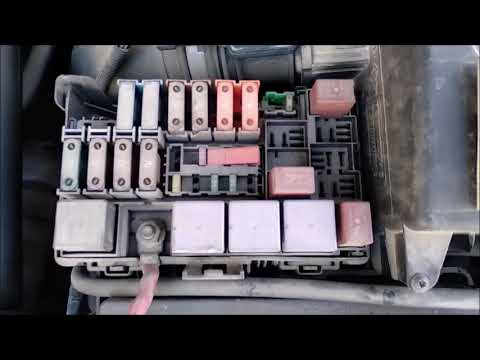
On the Renault Laguna, the fuses are located inside the fuse boxes installed in the vehicle: in this car model, you will find two boxes for containing the fuses. The first is in the fuse box on the left side of the dashboard, accessible by opening the driver's door: here you will find the fuses for the windscreen wipers, fog lights, horn, etc. The second box is located on the right side of the engine compartment: here you will find the fuses for the dipped headlights, radiator fan, alternator, etc. by ScegliAuto More videos
|
|
For advertising on this site Write to info@scegliauto.com
ScegliAuto is not responsible for any inaccuracy of the data in the lists. To report any inaccuracy or your business (if you own the business in question), please write to info@scegliauto.com
Number of seconds to generate the page: 0.031
(c) ScegliAuto 2026 - info@scegliauto.com - Privacy policy VAT number: IT01247470535 |
