
|
Do it yourself
| |||
| ||||


Position and diagram of the fuse box of the MBW X1 E84
In this video, we can see where the fuse boxes of the BMW X1 in its E84 version are located: in this model there is only one fuse box located inside the passenger compartment; to access it, we will need to open the glove compartment, disconnect the shock absorber from the handle and push it forward, releasing it from its support so that it no longer affects the opening of the drawer. Then, to unlock the compartment, we will need to press both sides to release it from its housing. Behind it, we will find the fuses and relays, which are located in the lower part of the box.
Posted on 18 August 2024 by ScegliAuto
Video tutorial
Related tutorials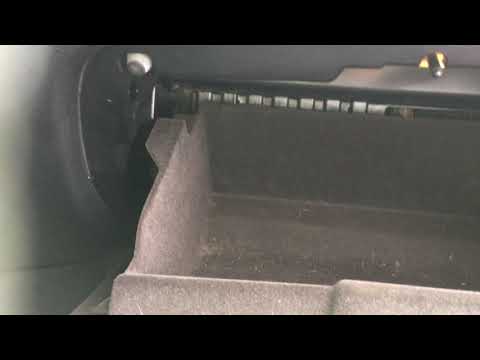
BMW X1
(2009-2015 /
E84)
In this video tutorial, we can see how to find the fuse box on a BMW X1 E84. The fuse box on this vehicle is located behind the glove compartment, so…

BMW X1
(2009-2015 /
E84)
If you are looking for the fuse box inside your BMW X1 E84 but have not yet been able to find it then this guide is all you need. Let's find out wher…

BMW X1
(2009-2015 /
E84)
In this new mini guide dedicated to your BMW X1 e84 (year 2009-2015), we will discover together where all the various fuses of the vehicle are locate…
Other guides you may be interested in
|
When to Change the Timing Belt on Piaggio Quargo
A long time ago, manufacturers used so-called "noisy belts" that alerted the driver to their excessive wear. Unfortunately, modern belts do not emit warnings: for this reason, the maintenance manual indicates their lifespan expressed in miles or years. Establishing general parameters, you can state that the belt should be replaced: Between 62,000 and 112,000 miles travelled. After 5 or 6 years of use. There are many reasons that can lead to a belt wearing out and breaking if it is not subjected to regular checks (approximately every 18,000 miles) and replaced according to the times prescribed by the manufacturer: The presence of foreign bodies that tension it abnormally. Incorrect alignment of the pulleys. Wear of one or both tensioner bearings. Excessive engine temperature. Compromised integrity of the pulleys. Excessive mileage. by ScegliAuto More videos
|

|
For advertising on this site Write to info@scegliauto.com
ScegliAuto is not responsible for any inaccuracy of the data in the lists. To report any inaccuracy or your business (if you own the business in question), please write to info@scegliauto.com
Number of seconds to generate the page: 0.144
(c) ScegliAuto 2026 - info@scegliauto.com - Privacy policy VAT number: IT01247470535 |
