
|
Do it yourself
| |||
| ||||


What TSI Engines Mean and How They Work in Volkswagen
Model: Volkswagen Volkswagen Various
The acronym TSI (and its Audi variant TFSI) is a cornerstone of Volkswagen's engine technology: it stands for "Turbocharged Stratified Injection". In short, it is a petrol engine that combines three cutting-edge technologies. Early engines had both a turbocharger and a supercharger, but over time the technology has evolved and simplified for cost and emissions reasons, leading to the removal of the supercharger and the use of only the turbocharger, often with variable geometry. Today, TSI is primarily a marketing brand that identifies modern petrol engines that are turbocharged and have direct injection, which, if well maintained and with frequent oil changes using recommended specification oils, are brilliant, enjoyable to drive, and efficient.
Posted on 4 April 2026 by ScegliAuto
Video tutorial
Related tutorials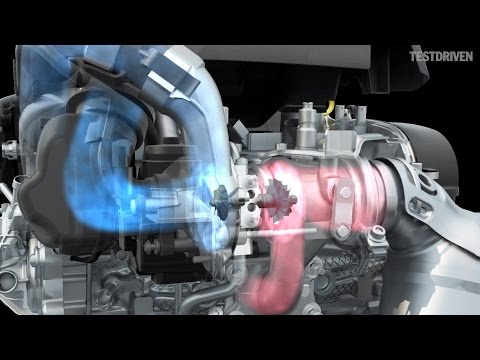
Volkswagen Volkswagen Various
This video shows an animation detailing how a Volkswagen TSI engine works: in this engine, petrol is injected directly into the combustion chamber un…

Volkswagen Volkswagen Various
In order to replace the water pump of the Volkswagen 1.4 TSi engine, you need to access the side of the engine where the timing belt is located: it w…
Volkswagen Volkswagen Various
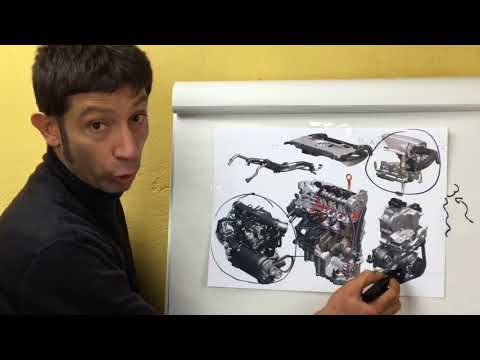
See how the turbocharged volumetric system works in TSI versions. To ensure excellent performance in a 1.4, Volkswagen equipped it with a generous tu…
Other guides you may be interested in
|
How to change the time on a Toyota Yaris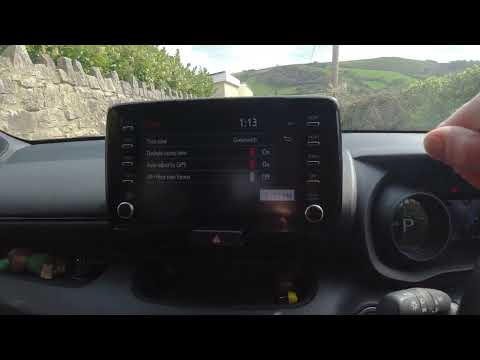
In this video we see how to change the time on a Toyota Yaris, specifically when it comes to switching from daylight saving time to standard time and vice versa. We go to the multifunction screen and press "settings": from there we go to press the clock, simply click on daylight saving time, and the clock will change the time for us, without doing anything else. All we want to do is just adjust the time format to 12 or 24 hours, as is customary in the area where we live: for example in Anglo-Saxon countries it is common to set the time to 12 hours, while in the European Union it is normally set to 24 hours. by ScegliAuto More videos
|
|
For advertising on this site Write to info@scegliauto.com
ScegliAuto is not responsible for any inaccuracy of the data in the lists. To report any inaccuracy or your business (if you own the business in question), please write to info@scegliauto.com
Number of seconds to generate the page: 0.063
(c) ScegliAuto 2026 - info@scegliauto.com - Privacy policy VAT number: IT01247470535 |
