
|
Do it yourself
| |||
| ||||


Intake and Exhaust Valves: Things to Know
Model: (Various brands) Various
In this video, we finally learn why the intake valves are slightly larger - about 10 to 15% - than the exhaust valves. The intake valves do not need to be cooled, as they draw in air, which cools them naturally. Additionally, the combustion chamber needs to be filled as quickly as possible to enhance performance. Conversely, the exhaust valves are smaller due to sealing; being smaller, they provide a better seal. Furthermore, being smaller, they dissipate heat more quickly onto the head itself.
Updated on 7 August 2026 by ScegliAuto
Video tutorial
Related tutorials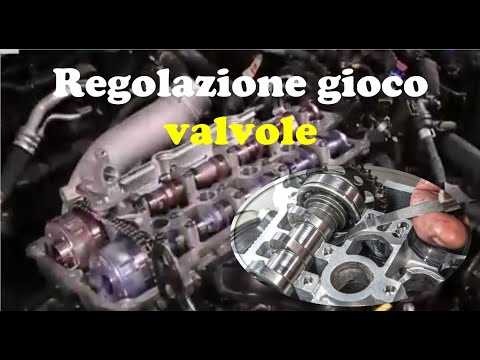
(Various brands) Various
In this description and related video, measure and adjust the valve clearance. First, rotate the crankshaft pulley and align the groove with the zero…
(Various brands) Various
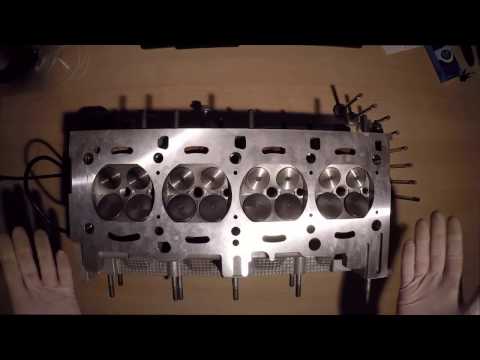
This video explains why LPG and methane engines are more likely to have damaged exhaust valves. In the cylinder head, the smaller valves are the exha…

(Various brands) Various
This video tutorial explains how to adjust the valve clearance in a 260cc engine. The necessary tools you will need for this operation are: an 8mm sp…
Other guides you may be interested in
|
How to Bleed the Clutch on a Renault Clio?
To bleed the clutch on a Renault Clio, open the bonnet to access the components located in the engine bay: here, you will need to undo the screws that secure the battery in its housing, the intake manifold, and the coolant reservoir. This will allow you to locate the pipe through which the brake fluid flows: by inserting the other end of the pipe into a container, you can press the clutch pedal to expel all the fluid until it fills the container. by ScegliAuto More videos
|
|
For advertising on this site Write to info@scegliauto.com
ScegliAuto is not responsible for any inaccuracy of the data in the lists. To report any inaccuracy or your business (if you own the business in question), please write to info@scegliauto.com
Number of seconds to generate the page: 0.119
(c) ScegliAuto 2026 - info@scegliauto.com - Privacy policy VAT number: IT01247470535 |
