
|
Do it yourself
| |||
| ||||


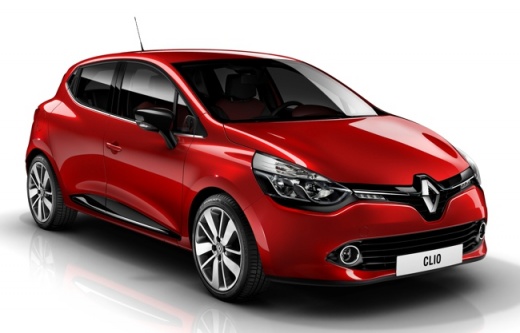
How to reset the tire pressure on the Renault Clio
Model: Renault Clio
MK 4, Clio 4, Clio IV
- Years 2012-2019
In this video we see how to restore the tire pressure on the Renault Clio IV: first we need to find the reference values, indicated by the manufacturer and found on the driver's door, whether it is a right-hand drive (as in this case) or a left-hand drive. The values are indicated in Bar (unit of measurement used in the European Union) and in PSI (unit of measurement used in Anglo-Saxon countries). Sometimes we also find the reference in KPa (KiloPascal) which is the international measure. Place the wheel with the valve up and remove the protective cap, and with a pressure gauge (such as code B077PQGYXW on Amazon for 16.97 euros, free delivery for Prime customers) check the tire pressure. Warning: check them when the outside temperature starts to drop.
Posted on 20 September 2024 by ScegliAuto
Video tutorial
Related tutorials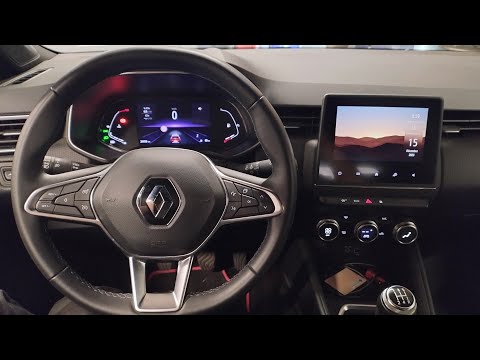
Renault Clio
(2019-2026 /
Clio 5, Clio V)
In this article, we will see how to restore the tire indicator on the Renault Clio 5. The procedure is simple and takes less than 1 minute to complet…

Renault Clio
(2012-2019 /
MK 4, Clio 4, Clio IV)
The anomaly warning light in question will turn on when the tire pressure value is lower than required, as detected by the sensors installed in the t…
Renault Clio
(2019-2026 /
Clio 5, Clio V)
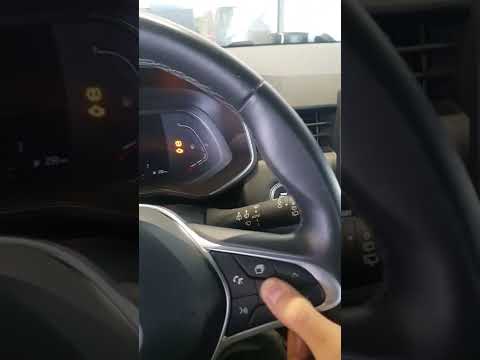
On recent car models, such as the Renault Clio, there is a system which monitors tire pressure and warns when the inflation pressure deviates from th…
Other guides you may be interested in
|
Installation of Upgraded Intercooler Radiator with Pipes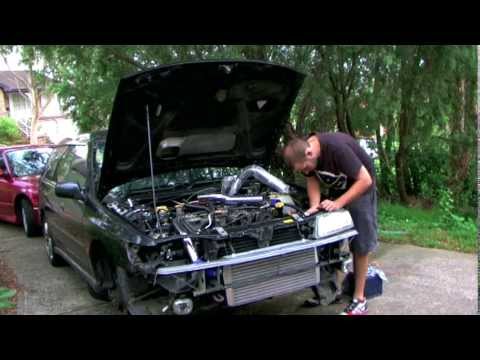
Lift the vehicle on suitable axle stands, remove the front wheels, and then the front bumper and grille. Proceed to remove the front headlights; drain the coolant, remove the intercooler radiator and the hoses connecting it to the intake system. Position the new intercooler radiator in the grille, temporarily securing it with cable ties, and mark with a marker the part of the metal that needs to be removed to allow the new hoses to pass through. Cut the marked portion of metal and apply a gasket to the edge. Remove the inner cover of the bumper and position it near the radiator to identify any interfering parts to eliminate: again, apply a gasket to the edge of the cut. Create brackets for securing the new radiator and proceed with the installation of the connecting pipes from the radiator to the intake, shaping and connecting them appropriately. Finally, reassemble the bumper, headlights, and grille. by ScegliAuto More videos
|
|
For advertising on this site Write to info@scegliauto.com
ScegliAuto is not responsible for any inaccuracy of the data in the lists. To report any inaccuracy or your business (if you own the business in question), please write to info@scegliauto.com
Number of seconds to generate the page: 0.061
(c) ScegliAuto 2026 - info@scegliauto.com - Privacy policy VAT number: IT01247470535 |
