
|
Do it yourself
| |||
| ||||


How to Repair Burns and Holes on Leather and Vinyl with Coconix
Model: (Various brands) Various
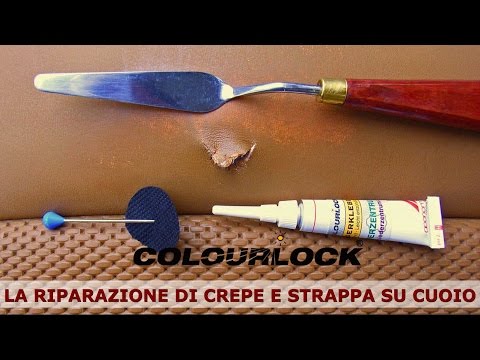
What you need to repair tears or burns on a leather or vinyl seat is a Coconix Kit, which can be found on Amazon with code B07QVFFV5P at a price of £14.99. Everything you need for the repair is included in the package; you will only need a craft knife: trim the frayed edges, and clean the area thoroughly to degrease it. Cut a piece of backing fabric, wider than the hole, round the corners to prevent them from lifting, and insert it into the hole. Mix the colours to achieve the closest shade to the original: apply a first layer under the edges and around the hole, pushing it with a spatula, then fill the hole with the coloured compound. Wait for the second layer to be almost dry and press down on a piece of film to reconstruct the texture. Allow it to dry overnight and polish the edges with denatured alcohol.
Posted on 13 February 2026 by ScegliAuto
Video tutorial
Related tutorials
(Various brands) Various
Repairing scratched or cracked leather seats can be expensive, but with this short video tutorial we will explain how to do this operation independen…

(Various brands) Various
If we have the bad habit of smoking in the car, unfortunately we may end up with burns on our fabric seats. With a little patience, we can effectivel…
(Various brands) Various
Step by step repair of holes, cracks, and tears in leather seats, until they are completely invisible. …
Other guides you may be interested in
|
Installation of Upgraded Intercooler Radiator with Pipes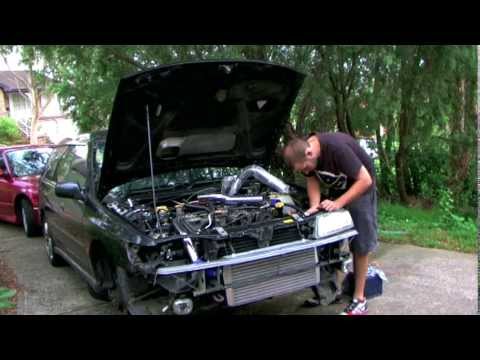
Lift the vehicle on suitable axle stands, remove the front wheels, and then the front bumper and grille. Proceed to remove the front headlights; drain the coolant, remove the intercooler radiator and the hoses connecting it to the intake system. Position the new intercooler radiator in the grille, temporarily securing it with cable ties, and mark with a marker the part of the metal that needs to be removed to allow the new hoses to pass through. Cut the marked portion of metal and apply a gasket to the edge. Remove the inner cover of the bumper and position it near the radiator to identify any interfering parts to eliminate: again, apply a gasket to the edge of the cut. Create brackets for securing the new radiator and proceed with the installation of the connecting pipes from the radiator to the intake, shaping and connecting them appropriately. Finally, reassemble the bumper, headlights, and grille. by ScegliAuto More videos
|
|
For advertising on this site Write to info@scegliauto.com
ScegliAuto is not responsible for any inaccuracy of the data in the lists. To report any inaccuracy or your business (if you own the business in question), please write to info@scegliauto.com
Number of seconds to generate the page: 0.099
(c) ScegliAuto 2026 - info@scegliauto.com - Privacy policy VAT number: IT01247470535 |
