
|
Do it yourself
| |||
| ||||


Replacing the Timing Belt on a Volkswagen Passat
Model: Volkswagen Passat
3BG, B5
- Years:
1996, 1997, 1998, 1999, 2000, 2001, 2002, 2003, 2004, 2005
Video tutorial
Let's look at replacing the timing belt on a Volkswagen Passat. Open the bonnet and lift it, securing it with the prop rod. Disconnect the wiring harness with pliers, and remove the plastic soundproofing panel with a screwdriver. Lift the car with a column lift to access the underside if necessary. Use a fixed spanner to loosen the tensioner pulley and slide the belt off its seat. With a socket spanner, unscrew the securing bolt of the tensioner pulley and remove the water pump. Fit the new water pump, tensioner, and belt, tightening everything with the socket spanner. Reattach the radiator with the securing bolts.
Updated on 7 March 2026 by ScegliAuto
Related tutorials
Volkswagen Passat
(2005-2010 /
B6, 3C)
In this guide, we will see the useful information for disassembling and replacing the timing belt of the Volkswagen Passat 2.0 TFSI; the manufacturer…

Volkswagen Passat
(2010-2014 /
B7)
Let's see the directions that will show us the procedure for disassembling and replacing the timing belt of the Volkswagen Passat 2.0 TDI. First, we …

Volkswagen Passat
(2010-2014 /
B7)
The procedure for replacing the timing belt on the Volkswagen Passat involves lifting the car with a jack or ramp, so that the front right wheel is n…
ScegliAuto offers an extensive international collection of automotive tutorials available in 12 languages. Each guide combines instructional videos with original explanations written by experienced human editors, along with information about the car models covered.
Other guides you may be interested in
|
How to Reset the Tyre Pressure Warning Light on the 2015 Hyundai i30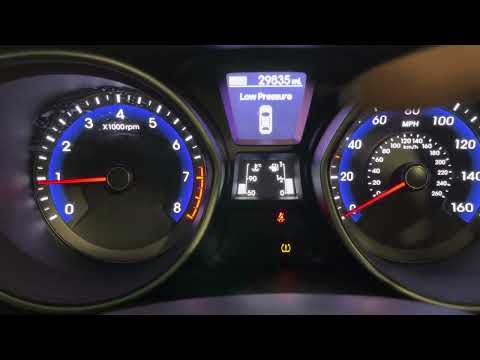
In this new guide for all you owners of a Land Rover Hyundai i30 second series (2015), you will discover the steps to manually reset the tyre pressure warning light. First, ensure there are no pressure leaks or punctures, or immediately inflate or replace the affected tyres. Next, start the car and drive a few miles to allow the sensor to take a new reading. Finally, turn off the car. by ScegliAuto More videos
|
|
For advertising on this site Write to info@scegliauto.com
ScegliAuto is not responsible for any inaccuracy of the data in the lists. To report any inaccuracy or your business (if you own the business in question), please write to info@scegliauto.com
Number of seconds to generate the page: 0.034
(c) ScegliAuto 2026 - info@scegliauto.com - Privacy policy - About us VAT number: IT01247470535 |
