
|
Do it yourself
| |||
| ||||


Replacing the Timing Belt on the Kia Soul 2.0L
Model: Kia Sportage
SL, MK 3
- Years:
2010, 2011, 2012, 2013, 2014, 2015, 2016
Video tutorial
In today's video, learn how to dismantle and replace the timing belt on the Kia Soul 2.0L. First, lift the vehicle and start by removing the right front wheel; also remove the wheel arch liner and then the serpentine belt, as shown in the video. Next, remove the engine mount by lifting it first with a jack; take off the timing cover to access the belt, taking the necessary references for replacement. Finally, reassemble the belt and the various components removed earlier, following the video until the end!
Updated on 8 May 2026 by ScegliAuto
Related tutorials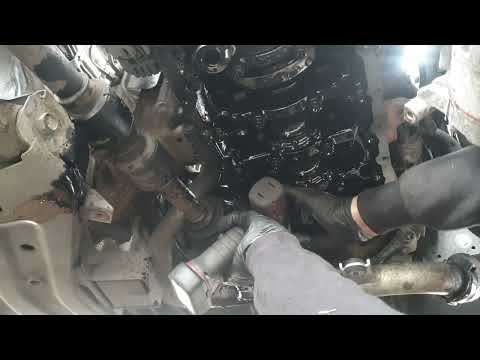
Kia Sportage
(2010-2016 /
SL, MK 3)
Replacing the timing belt is necessary when it starts to show signs of wear, such as unusual noises. In the following video tutorial, you will see ho…
Kia Sportage
(1993-2002 /
JA, MK 1)
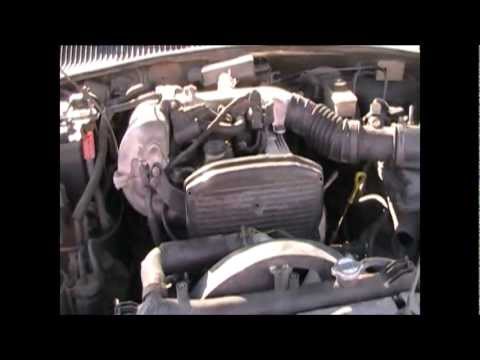
This guide outlines the main steps to remove and replace the timing belt on the Kia Sportage 2.0L diesel. First, open the bonnet of your car and begi…

Kia Sportage
(1993-2002 /
JA, MK 1)
Let’s look at the main steps to remove and replace the timing belt on the Kia Sportage 2.0L. First, open the bonnet and start disconnecting the radia…
ScegliAuto offers an extensive international collection of automotive tutorials available in 12 languages. Each guide combines instructional videos with original explanations written by experienced human editors, along with information about the car models covered.
Other guides you may be interested in
|
What does the red or orange zig-zag warning light mean on the Dacia Sandero?
In this video, you will learn what the warning light depicting a red or orange zig-zag on the dashboard of the Dacia Sandero means. This is a multifunction warning light; if it appears red, it is a prompt to stop as soon as possible, switch off the engine, and exit the vehicle quickly, contacting a recovery service and the Dacia Dealer. If it lights up orange, it indicates an electronic fault in the vehicle; you can continue driving, but you must reach a Dacia service centre as soon as possible. If it lights up alongside the spanner symbol, it means it is time for a service, which is due every year or 10,000 miles (whichever comes first). The service is mandatory to maintain the warranty. If it lights up together with the tyre warning light, it indicates a loss of pressure in one of the tyres. You should check all the tyres as soon as possible to identify the source of the pressure loss. If it stays on with the engine warning light, it indicates a problem with the vehicle's emissions system; if it flashes, the issue may be a component of the engine, such as the spark plugs or coil, for example. On diesel versions, it may light up alongside the glow plug symbol, indicating a related issue. If it lights up with the ESP symbol, it means there is a fault in the system that needs checking. by ScegliAuto More videos
|
|
For advertising on this site Write to info@scegliauto.com
ScegliAuto is not responsible for any inaccuracy of the data in the lists. To report any inaccuracy or your business (if you own the business in question), please write to info@scegliauto.com
Number of seconds to generate the page: 0.038
(c) ScegliAuto 2026 - info@scegliauto.com - Privacy policy - About us VAT number: IT01247470535 |
