
|
Do it yourself
| |||
| ||||


How Hybrid Cars Work
Model: (Various brands) Various
The hybrid technologies of vehicles vary, with three types of hybrids: Mild Hybrid, Full Hybrid, and Plug-in Hybrid. All three categories start from one concept: combining the efficiency of the electric motor with that of the internal combustion engine to achieve low emissions and low consumption, but they do so in completely different ways. Mild Hybrids cannot operate solely in fully electric mode; they have a small electric motor that recovers energy during braking and returns it to the system during acceleration, or this energy is stored in an auxiliary battery, separate from the car's standard 12V battery, to power systems that increase consumption (air conditioning, power steering, or radio). Full Hybrids feature a particularly advanced electric system, with a larger battery, more powerful motor, and a gearbox that intelligently interfaces the electric part with the petrol or diesel engine. This allows the vehicle to have electric traction even at low speeds. Finally, Plug-in Hybrids are rechargeable systems, meaning you can charge a battery even larger than that of Full Hybrids and have a range of 50 to 60 miles in fully electric mode. For example, if my daily route or a large part of it can be covered solely in electric mode, I can save on running costs. This means having access to a charging system, either a public charging point or a home box (you can install a wallbox to significantly reduce charging times. For instance, Mercedes EQ-Power systems can reduce charging time from 5 hours on a domestic socket to 90 minutes using a 7.4 kW charger). These systems share the fact that they are homologated hybrids, which impacts both the manufacturer, who can reduce emissions/consumption, and the end customer, who can benefit from tax incentives. Note: Full Hybrids and Plug-in Hybrids consume less than Mild Hybrids as they have a more dominant (larger) system. All these systems must be carefully evaluated based on where you drive and the route you take (to take advantage of recovering energy during deceleration or braking, turning off the engine) in Mild Hybrids, while in Plug-in Hybrids, if you travel a distance covered by electric range, you will only incur the cost of energy (in bills) and fuel savings, the latter being used if the battery runs low. Full Hybrids cost more to purchase but consume similarly to diesel (this could be a middle ground to consider).
Updated on 8 June 2026 by ScegliAuto
Video tutorial
Related tutorials
(Various brands) Various
In this video we see the difference between the various types of hybrid cars: mild Hybrids are those that add a small hybrid battery to the internal …

(Various brands) Various
In this video we can see how the airbags of our car work: we see them exploding inside a car, a situation in which we would never want to find oursel…
(Various brands) Various
How do airbags work in detail? It is a very important safety device, but it was designed to function in symbiosis with seat belts. The first cars beg…
Other guides you may be interested in
|
Frequently Asked QuestionsHow to Open a Stuck Boot on the Peugeot 407?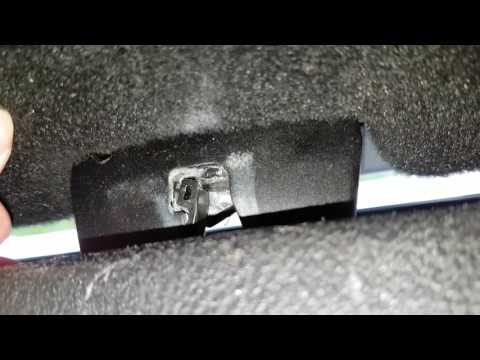
On the Peugeot 407, the boot may become stuck, possibly due to a problem with the control button or the lock actuator. In such cases, you can perform an emergency opening by following the simple procedure shown in this tutorial. First, open the rear doors, then lower the seat back by operating the release lever. Next, go inside the boot, locate the lock, and manually operate it using a flathead screwdriver. The boot will then be free to open. by ScegliAuto More videos
|
|
For advertising on this site Write to info@scegliauto.com
ScegliAuto is not responsible for any inaccuracy of the data in the lists. To report any inaccuracy or your business (if you own the business in question), please write to info@scegliauto.com
Number of seconds to generate the page: 0.363
(c) ScegliAuto 2026 - info@scegliauto.com - Privacy policy VAT number: IT01247470535 |
