
|
Do it yourself
| |||
| ||||


What Causes Engine Oil Emulsification, Forming the So-Called "Mayonnaise"?
Model: (Various brands) Various
In this video, we can see what causes the oil in our vehicle to emulsify, forming the so-called "mayonnaise", a slimy whitish emulsion that, from its appearance, promises nothing good. The first reason for its formation is a blown head gasket, allowing coolant to mix with the oil, resulting in this unpleasant outcome; consequently, the coolant reservoir level drops, and you may find a similar emulsion there as well. The second reason is incorrect oil viscosity or using semi-synthetic (or mineral) oil instead of synthetic oil. If the oil has incorrect technical specifications, it creates excessive condensation, which, with engine movement, results in this sludge. The third reason is infrequent use of the vehicle: if you use the vehicle little and for short distances, this condensation will form even if the gasket and oil are perfect, causing the same problem and increasing the oil level. Remember, in any case, this emulsion is a warning of a very serious issue.
Updated on 2 September 2026 by ScegliAuto
Video tutorial
Related tutorials
(Various brands) Various
In this video, we are presented with the main signs of a blown head gasket; a very serious issue that can irreparably damage our engine if we do not …
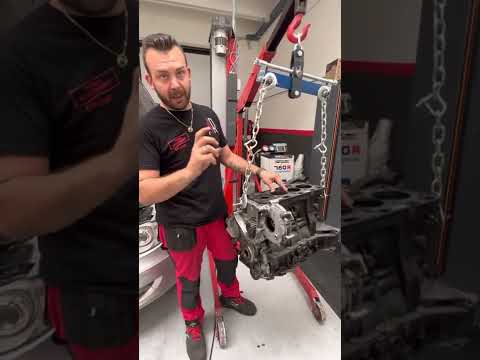
(Various brands) Various
In recent years, head gaskets have become tri-metallic, meaning they are made of three metals, and sit between the engine and the cylinder head. If t…
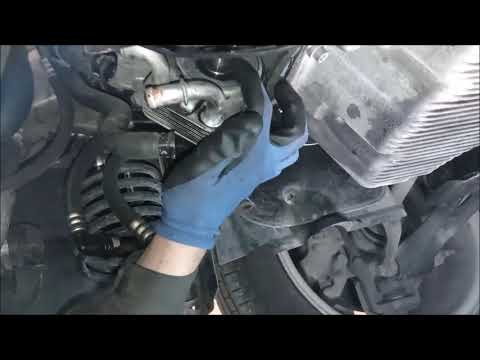
(Various brands) Various
What is the purpose of the oil-water heat exchanger? It serves the same function as the engine cooling radiator, which is why it is also called an oi…
Other guides you may be interested in
|
Frequently Asked QuestionsHow to Check the Oil Level on a Jeep Renegade?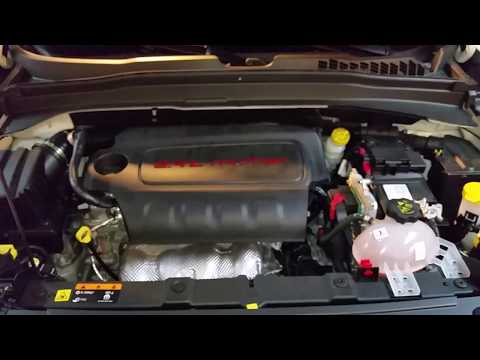
To check the oil level on a Jeep Renegade, you need to open the bonnet to access the components inside the engine bay: on the lower left side of the engine block, you will find the dipstick for checking the level. This should be pulled out and thoroughly cleaned with a cloth: once cleaned, reinsert it back into its tube and pull it out immediately after. This way, you can check that the oil mark is between the minimum and maximum levels; finally, you can place the dipstick back in its tube. by ScegliAuto More videos
|
|
For advertising on this site Write to info@scegliauto.com
ScegliAuto is not responsible for any inaccuracy of the data in the lists. To report any inaccuracy or your business (if you own the business in question), please write to info@scegliauto.com
Number of seconds to generate the page: 1.110
(c) ScegliAuto 2026 - info@scegliauto.com - Privacy policy VAT number: IT01247470535 |
