
|
Do it yourself
| |||
| ||||


How to Replace the Radiator of a Honda CR-V
Model: Honda CR-V
MK 3
- Years 2007-2012
In this video, see how to remove the radiator along with the cooling fans of a Honda CR-V. Open the bonnet and secure it, then detach the plastic rivets from the radiator cover. Using a suitable socket spanner, remove the plate that secures the door release lever. Remove the plates that secure the radiator at the top, then lift the car on a column lift and loosen the clamp on the water hose. Disconnect the various hoses of the cooling system using pliers. Once free from screws and hoses, extract the fan assembly and then the radiator from the engine bay. Prepare to fit the new part in the engine bay, then install the cooling fans, clamps, pins, and various pipes. Refit the radiator mounting brackets along with the bonnet release plate. Tighten the plastics and front grille securely with a socket spanner. Finally, top up with new coolant and bleed the air from the cooling system.
Updated on 25 February 2026 by ScegliAuto
Video tutorial
Related tutorials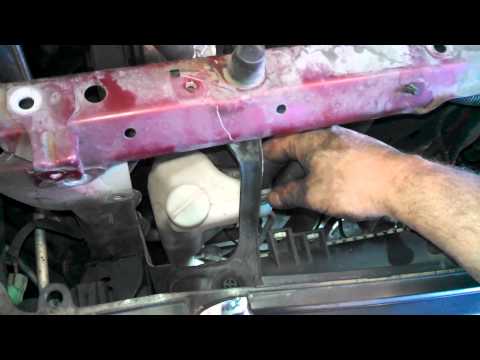
Honda CR-V
(2002-2007 /
MK 2)
This video shows how to remove and replace the radiator fan on your car. First, remove anything that obstructs the work; you need to remove the front…

Honda CR-V
(2007-2012 /
MK 3)
Locate the radiator drain tap, which is situated exactly at the centre of the underside of the front bumper. Open it with pliers and ensure you have …

Honda CR-V
(2007-2012 /
MK 3)
The fuses in the Honda CR-V are located inside the dedicated fuse boxes present in the vehicle: in this type of car, you can find two boxes for conta…
Other guides you may be interested in
|
How to reset the tyre pressure warning light on the Suzuki Jimny?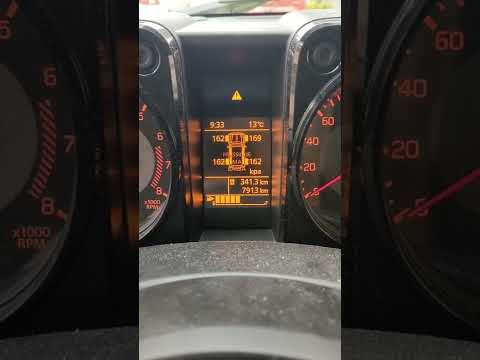
To reset the tyre pressure warning light on the Suzuki Jimny, first inflate the tyres to the pressure value indicated on the corresponding sticker: this is located at the bottom of the driver's door pillar. Once the tyres are inflated, insert the ignition key and turn on the instrument panel: select the screen that indicates the tyre pressures, checking that the values change. After a few seconds, the tyre pressure warning light will automatically turn off. by ScegliAuto More videos
|

|
For advertising on this site Write to info@scegliauto.com
ScegliAuto is not responsible for any inaccuracy of the data in the lists. To report any inaccuracy or your business (if you own the business in question), please write to info@scegliauto.com
Number of seconds to generate the page: 0.258
(c) ScegliAuto 2026 - info@scegliauto.com - Privacy policy VAT number: IT01247470535 |
