
|
Do it yourself
| |||
| ||||


Checking and Emergency Start of a Starter Motor
Model: (Various brands) Various
Follow the procedure to check the starter motor without removing it from its housing. Inspect the starter fuse, usually located in the main fuse box: if in doubt, consult the owner's manual. A blown fuse is easily identified by signs of melting. Check the fuses with a multimeter, switching it to voltmeter mode: ground the negative probe on exposed metal on the vehicle body and connect the positive probe to each terminal of the fuse in turn. If only one terminal shows voltage, the part is faulty. Remove the fuse; a resistance that is too high indicates that the fuse is blown. Ensure the contacts are in good condition. Check that the terminals are connected to the wiring. If necessary, give them a good clean. Measure the battery voltage with the engine off: to verify that the starter solenoid and motor are functioning correctly, connect one end of the power cable to the positive terminal of the battery and the other to the solenoid signal terminal. You should hear the flywheel turning. When starting the engine, gently tap the housing of the faulty starter motor. The vibration may help restore the lost contact between the starter solenoid and the brushes of the electric motor. This is an emergency method that will only work a few times.
Updated on 5 August 2026 by ScegliAuto
Video tutorial
Related tutorials
(Various brands) Various
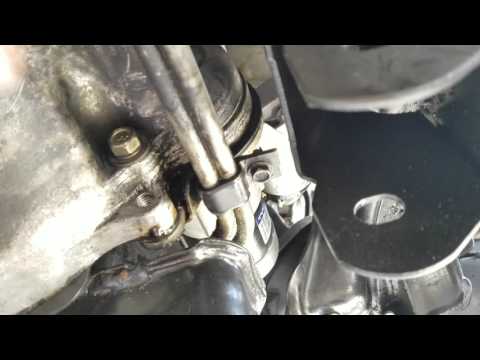
How does the starter motor work? This video illustrates it: when you turn the key or press the button, the battery sends current to the electric moto…
(Various brands) Various
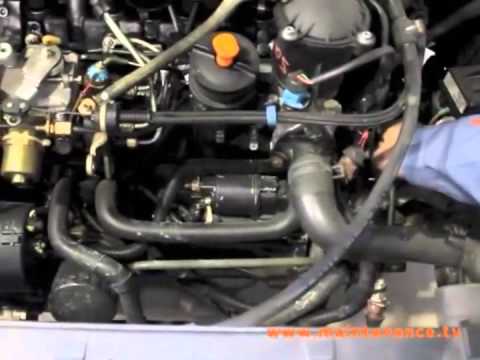
Want to replace the starter motor in your car? Here’s how to remove the damaged part from the engine bay. Lift the front bonnet to access the starter…
(Various brands) Various
Is the starter motor on your car showing no signs of operation? Here's how to remove it from the engine bay. Disconnect the starter motor power termi…
Other guides you may be interested in
|
How to Check the Oil Level on a Jeep Renegade?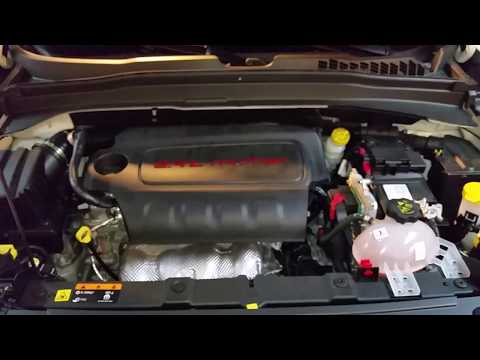
To check the oil level on a Jeep Renegade, you need to open the bonnet to access the components inside the engine bay: on the lower left side of the engine block, you will find the dipstick for checking the level. This should be pulled out and thoroughly cleaned with a cloth: once cleaned, reinsert it back into its tube and pull it out immediately after. This way, you can check that the oil mark is between the minimum and maximum levels; finally, you can place the dipstick back in its tube. by ScegliAuto More videos
|
|
For advertising on this site Write to info@scegliauto.com
ScegliAuto is not responsible for any inaccuracy of the data in the lists. To report any inaccuracy or your business (if you own the business in question), please write to info@scegliauto.com
Number of seconds to generate the page: 0.316
(c) ScegliAuto 2026 - info@scegliauto.com - Privacy policy VAT number: IT01247470535 |
