
|
Do it yourself
| |||
| ||||


How to Replace Engine Oil and Oil Filter on an Opel Vivaro
Model: Vauxhall Vivaro
MK 1
- Years 2001-2014
Today, I will explain how to replace the engine oil and oil filter on an Opel Vivaro model 1. Before performing the oil change, pour a pre-change liquid into the oil reservoir to facilitate the oil's exit and clean the reservoir. Open the front bonnet and unscrew the cap of the oil reservoir. Raise the front of the vehicle and unscrew the nuts on the lower cover to access the oil sump. Unscrew the bolt on the sump and let the oil drain into a container. Using a socket with a 27 mm insert, unscrew the bolt on the oil filter housing. Insert the new filter into the housing and fit the cover. Tighten the sump bolt and lower the vehicle after fitting the lower cover. Pour approximately 5 litres of oil into the oil reservoir.
Posted on 5 February 2026 by ScegliAuto
Video tutorial
Related tutorials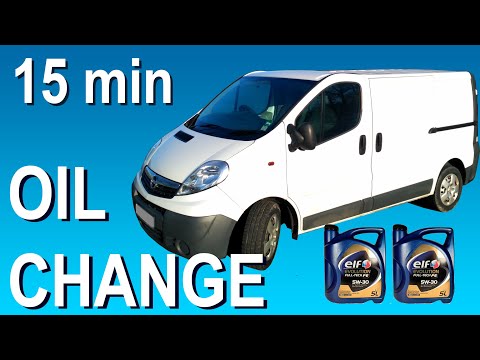
Vauxhall Vivaro
(2001-2014 /
MK 1)
Let's see in this video how to remove and replace the engine oil and the oil filter, performing the regular routine maintenance service, on a 2013 Op…
Vauxhall Vivaro
(2014-2019 /
MK 2)
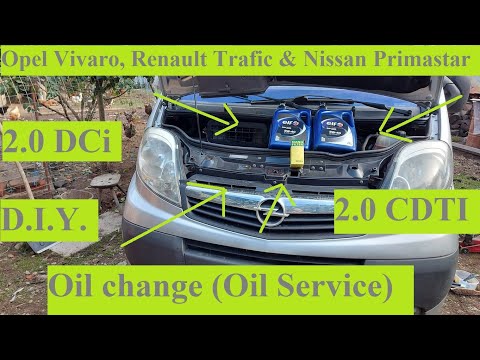
In order to replace the engine oil of the Opel Vivaro, you need to lift the vehicle with a jack so that you can access the bottom part of the engine …
Vauxhall Vivaro
(2001-2014 /
MK 1)
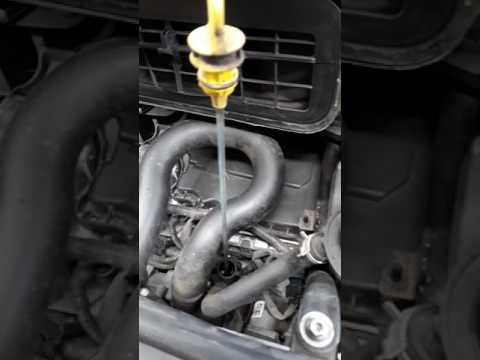
Replacing the oil filter on an Opel Vivaro, how to do the replacement. We lift the vehicle with a column bridge, unscrew the pin of the oil pan; let …
Other guides you may be interested in
|
Installation of Upgraded Intercooler Radiator with Pipes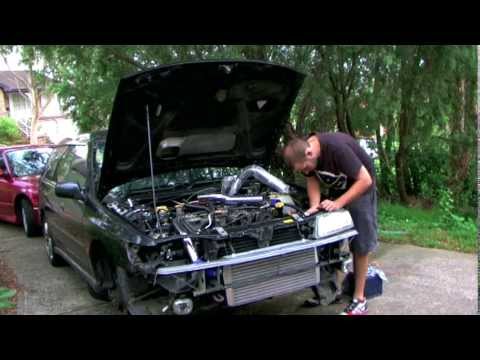
Lift the vehicle on suitable axle stands, remove the front wheels, and then the front bumper and grille. Proceed to remove the front headlights; drain the coolant, remove the intercooler radiator and the hoses connecting it to the intake system. Position the new intercooler radiator in the grille, temporarily securing it with cable ties, and mark with a marker the part of the metal that needs to be removed to allow the new hoses to pass through. Cut the marked portion of metal and apply a gasket to the edge. Remove the inner cover of the bumper and position it near the radiator to identify any interfering parts to eliminate: again, apply a gasket to the edge of the cut. Create brackets for securing the new radiator and proceed with the installation of the connecting pipes from the radiator to the intake, shaping and connecting them appropriately. Finally, reassemble the bumper, headlights, and grille. by ScegliAuto More videos
|
|
For advertising on this site Write to info@scegliauto.com
ScegliAuto is not responsible for any inaccuracy of the data in the lists. To report any inaccuracy or your business (if you own the business in question), please write to info@scegliauto.com
Number of seconds to generate the page: 0.075
(c) ScegliAuto 2026 - info@scegliauto.com - Privacy policy VAT number: IT01247470535 |
