
|
Do it yourself
| |||
| ||||


How to Replace the High-Pressure Pump Bushing
Model: (Various brands) Various
If your car exhibits increased noise, reduced performance, a rough-running engine, or stalling, the causes may include fluctuations in pressure in the accumulator line, fuel pressure loss, insufficient adjustment, and reduced stroke of the pump piston. All these issues are related to the high-pressure pump bushing that must be replaced. Start the replacement by removing the engine cover and disconnecting the connector from the fuel pressure regulator valve on the high-pressure pump. Run the engine for 10 minutes, then turn it off and remove the oil sump to check for any traces of fuel. Next, reattach the oil sump and proceed to work on the pump. Disconnect the vacuum hose from the pump located next to the fuel pump, and finally, remove all electrical connectors. Loosen the fuel hoses and unscrew the three fastening bolts to remove the pump assembly, the pump, and finally the bushing. Conclude by inserting a new bushing and reassembling all parts. Top up the oil and replace the filter, then close the engine compartment. Now your car will run beautifully.
Updated on 20 August 2026 by ScegliAuto
Video tutorial
Related tutorials
(Various brands) Various
What do we need to know about the low-pressure pump in a common rail engine? Its main function is to draw diesel from the tank and then send it to th…

(Various brands) Various
In this video, you will see the symptoms of a malfunctioning high-pressure fuel pump: first, you may hear a metallic noise inside the engine bay due …
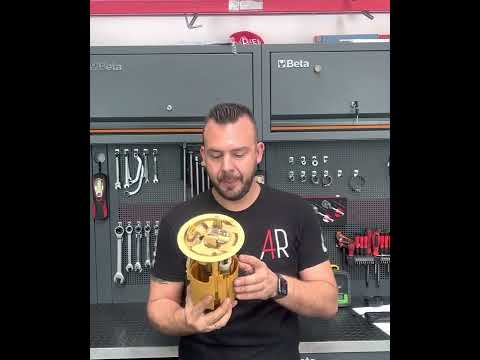
(Various brands) Various
In this video, you will learn how a low-pressure fuel pump (diesel or petrol) works. These pumps are usually mounted directly inside the fuel tank an…
Other guides you may be interested in
|
How to Check the Oil Level on a Jeep Renegade?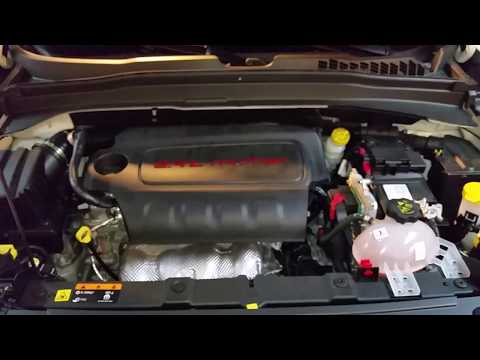
To check the oil level on a Jeep Renegade, you need to open the bonnet to access the components inside the engine bay: on the lower left side of the engine block, you will find the dipstick for checking the level. This should be pulled out and thoroughly cleaned with a cloth: once cleaned, reinsert it back into its tube and pull it out immediately after. This way, you can check that the oil mark is between the minimum and maximum levels; finally, you can place the dipstick back in its tube. by ScegliAuto More videos
|
|
For advertising on this site Write to info@scegliauto.com
ScegliAuto is not responsible for any inaccuracy of the data in the lists. To report any inaccuracy or your business (if you own the business in question), please write to info@scegliauto.com
Number of seconds to generate the page: 0.121
(c) ScegliAuto 2026 - info@scegliauto.com - Privacy policy VAT number: IT01247470535 |
