
|
Do it yourself
| |||
| ||||


Replacing Gaskets and Auto Joints
Model: Ford Focus
MK 2, Focus 2
- Years 2004-2011
Gaskets are static sealing elements that fit between the flat surfaces of two joined components to prevent the passage of liquids or gases. Usually, overheating is the main cause of gasket and joint wear. During disassembly, remember the position of the various parts. Once free from the components, you can remove the cylinder head cover and see the camshaft and timing belt. The toothed belt and engine block have two clearly visible reference marks; before removing the belt, ensure the two marks align perfectly. Be careful during the tightening phase of the cylinder head with the new gasket at the cylinder base. Use a torque wrench to tighten the screws to the correct torque value.
Updated on 16 February 2026 by ScegliAuto
Video tutorial
Related tutorials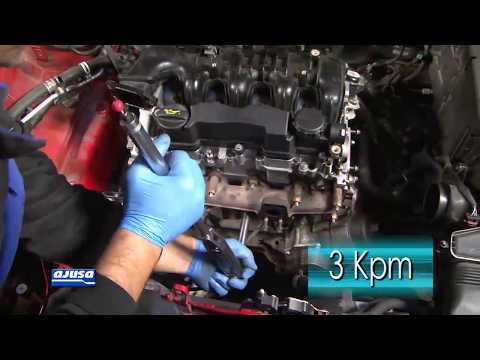
Ford Focus
(2004-2011 /
MK 2, Focus 2)
Before applying the new gasket to the exhaust manifold, it is essential to thoroughly clean the gasket seating on both the cylinder head and manifold…
Ford Focus
(1998-2004 /
MK 1)
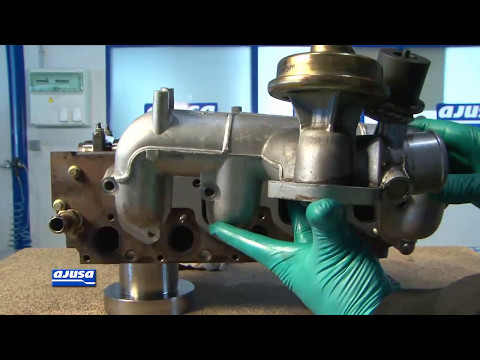
Before applying the new gasket to the intake manifold, thoroughly clean the gasket seating area, removing any dirt and deposits that could compromise…
Ford Focus
(2004-2011 /
MK 2, Focus 2)
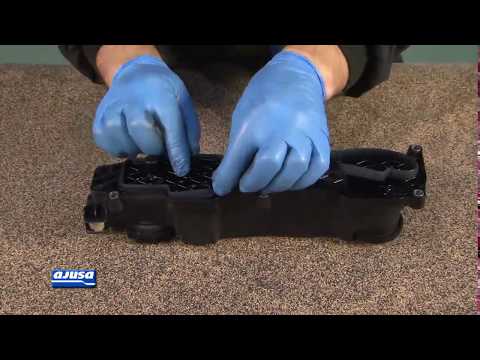
It is essential, before installing the new gasket, to clean the seating area thoroughly, both on the cover side and the head side; in this particular…
Other guides you may be interested in
|
Installation of Upgraded Intercooler Radiator with Pipes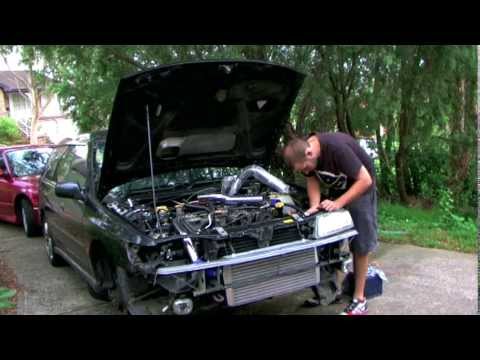
Lift the vehicle on suitable axle stands, remove the front wheels, and then the front bumper and grille. Proceed to remove the front headlights; drain the coolant, remove the intercooler radiator and the hoses connecting it to the intake system. Position the new intercooler radiator in the grille, temporarily securing it with cable ties, and mark with a marker the part of the metal that needs to be removed to allow the new hoses to pass through. Cut the marked portion of metal and apply a gasket to the edge. Remove the inner cover of the bumper and position it near the radiator to identify any interfering parts to eliminate: again, apply a gasket to the edge of the cut. Create brackets for securing the new radiator and proceed with the installation of the connecting pipes from the radiator to the intake, shaping and connecting them appropriately. Finally, reassemble the bumper, headlights, and grille. by ScegliAuto More videos
|
|
For advertising on this site Write to info@scegliauto.com
ScegliAuto is not responsible for any inaccuracy of the data in the lists. To report any inaccuracy or your business (if you own the business in question), please write to info@scegliauto.com
Number of seconds to generate the page: 0.100
(c) ScegliAuto 2026 - info@scegliauto.com - Privacy policy VAT number: IT01247470535 |
